Cheap Wedding Rings: An Honest Guide to Metals, Real Prices and Resizing
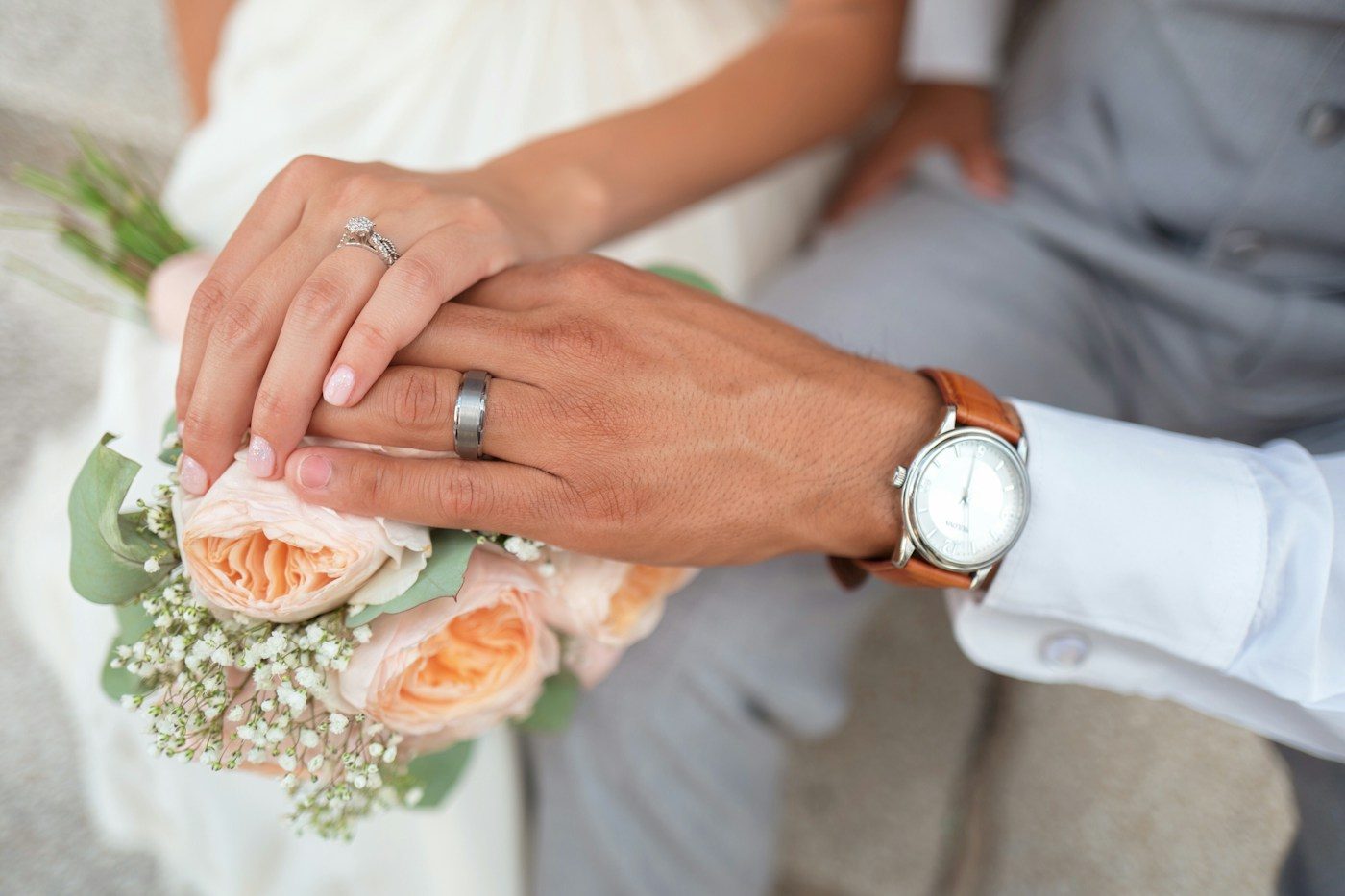
Cheap wedding rings are easy to find and can absolutely last a lifetime: a plain titanium or tungsten band costs about $20 to $60, sterling silver about $20 to $45, and a thin solid 14k gold band starts around $200. The trick is knowing which cheap metals you can resize later and which ones you will have to replace.
Nobody at your wedding will check the karat stamp. They will see the two of you sliding a ring onto each other's finger, and that moment looks the same with a $30 band as with a $3,000 one. So let's look at what you actually get for the money.
Quick price comparison
These are real prices for plain bands, checked in October 2026. Prices are per ring, not per pair.
| Metal | Real price for a plain band | Resizable? | Good to know |
|---|---|---|---|
| Titanium | $17.99 to $26.99 | Barely | Very light, almost weightless on the hand |
| Tungsten | $29.99 to $63.99 | No | Heavy, hard to scratch, can crack if dropped on tile |
| Sterling silver | $20.69 to $42.29 | Yes | Soft, scratches and tarnishes, easy to polish |
| 14k gold, 2mm | $196 (on sale from $280) | Yes | The classic, keeps its value |
| Lab-grown diamond eternity, 14k | $598 for 1 carat total | Usually not | Sparkle at about 60% of the "traditional retail" price |
Sources: tungsten, titanium and silver prices from Target search results, the gold band from Blue Nile, the lab-grown band from Quince.
Tungsten and titanium: the cheapest rings that still feel solid
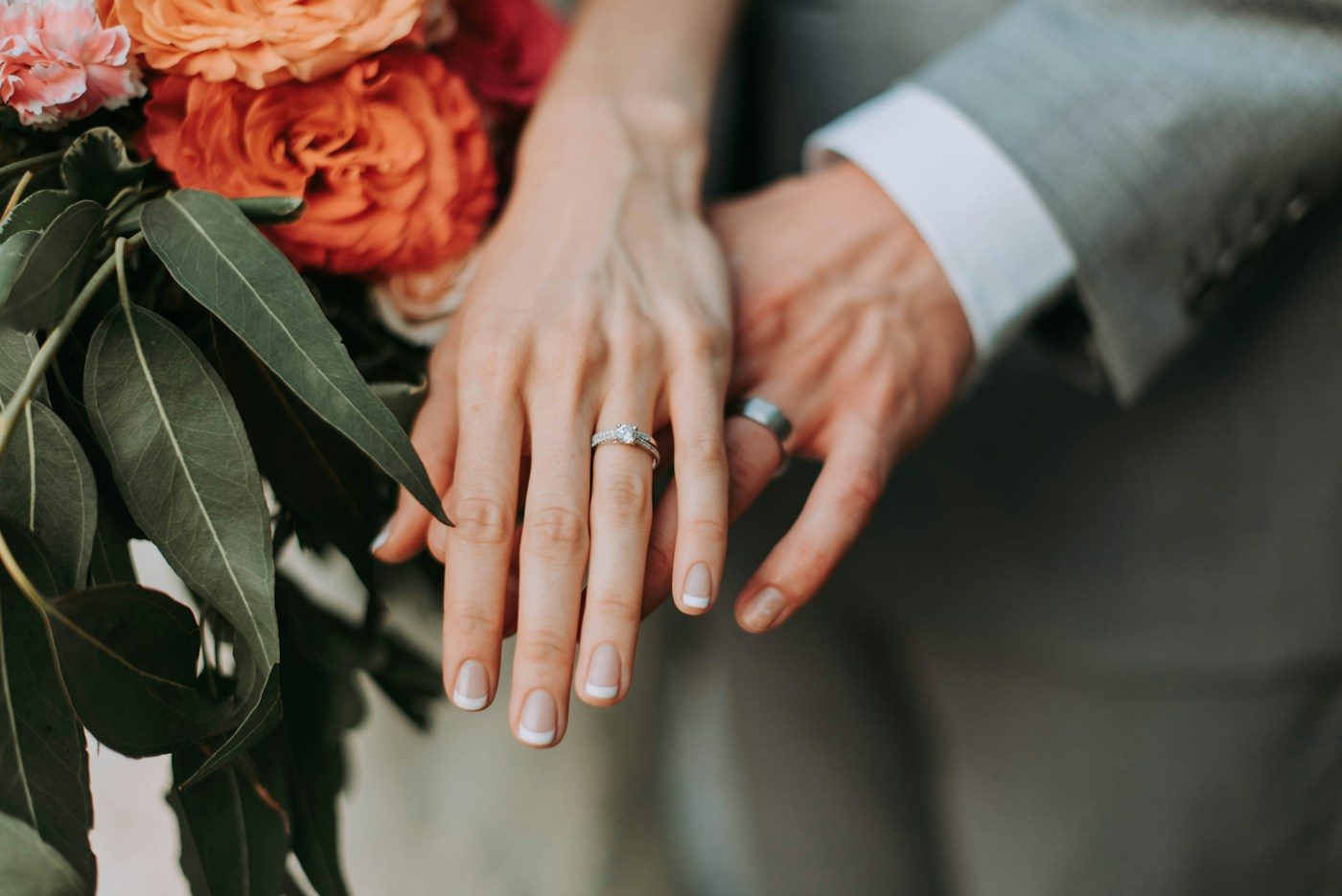
If you want the lowest price without the ring looking cheap, these two are where to start.
Titanium is the lightest metal you can wear. Plain 3mm to 8mm comfort-fit bands at Target ran $17.99 to $26.99 (Target). Price guides put branded titanium bands at $75 to $150, and $150 to $300 with an inlay (TheDiamondPrice), so you are mostly paying for the name once you go above $30. Titanium is a good pick for anyone who has never worn a ring and hates the feeling.
Tungsten feels the opposite: heavy and cool, with a polish that stays shiny for years. Plain and striped tungsten bands were $29.99 to $63.99 at Target (Target), and a price guide puts basic bands at $50 to $100 (TheDiamondPrice). Two honest downsides. It is so hard that it can crack if you drop it on a stone floor, and it cannot be resized at all.
Who these suit: people who work with their hands, people who lose things, and anyone who would rather spend the money on the party. Many couples buy one cheap tungsten band to wear at work or the gym and keep a nicer ring for weekends.
Sterling silver: cheap, pretty, but soft
Silver gives you the classic jewelry look for very little. Plain sterling silver bands from 2mm to 4mm wide were $20.69 to $42.29 (Target). Look for the "925" stamp inside, which means 92.5% silver.
The catch is that silver is soft. A ring you wear every day, through dishes and gardening and gym sessions, will get scratched and slightly out of round within a few years. It also tarnishes, especially with lotion and chlorine. None of that is a disaster: a jeweler can polish and resize silver easily. But if you want one ring for 40 years with zero fuss, silver is better as a starter ring you upgrade on an anniversary.
Gold: smaller karat, thinner band, same look
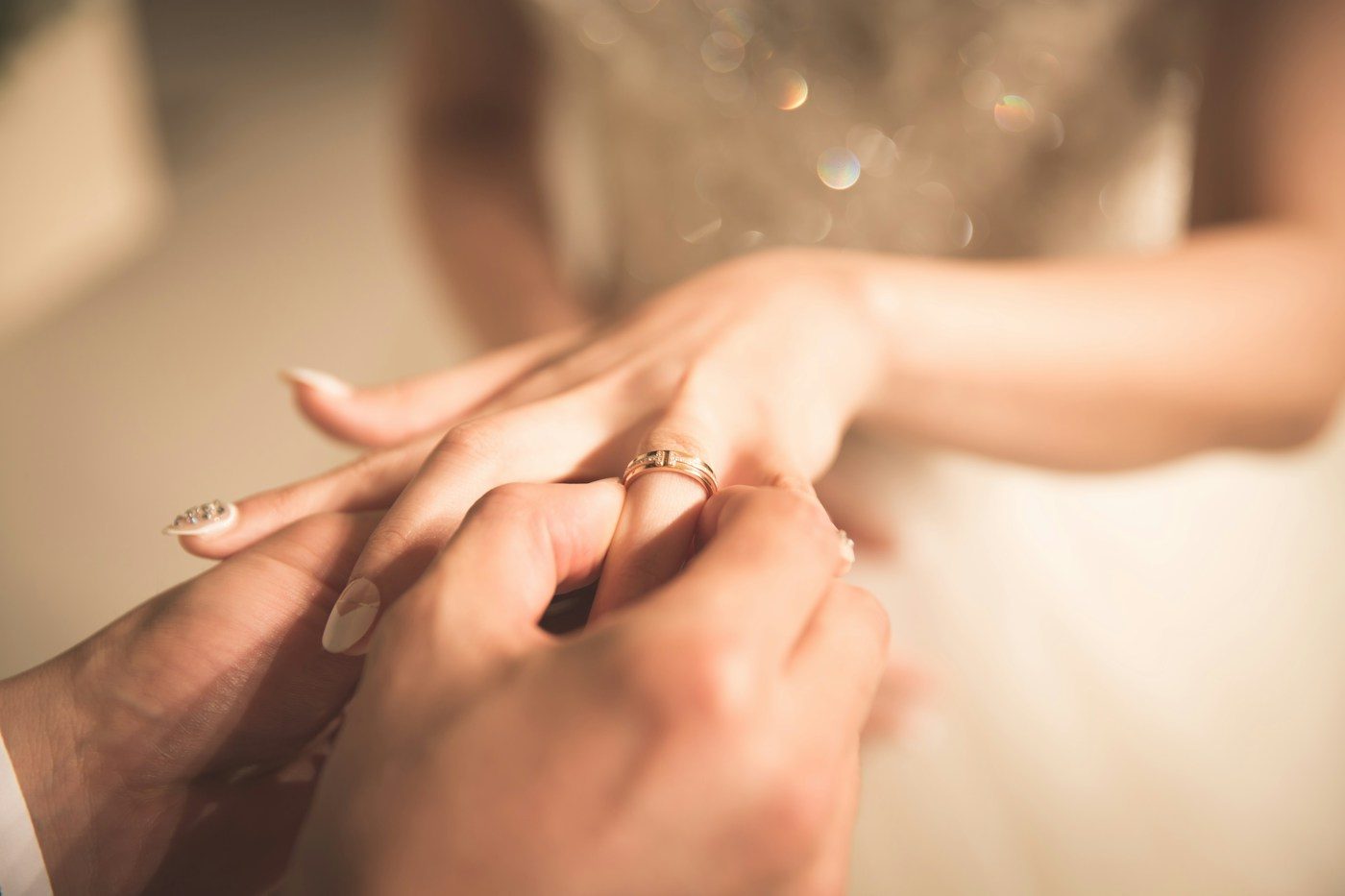
If gold matters to you, you do not need a wide 18k band. A plain 2mm band in 14k yellow gold was $196 on sale, down from $280 (Blue Nile). Two levers bring the price down:
- Go thinner. Gold rings are priced largely by weight. A 2mm band uses much less metal than a 5mm one, and on a slim hand it often looks better anyway.
- Go lower in karat. 14k is 58.5% gold and 10k is 41.7%. Lower karat is cheaper, a bit paler, and actually harder, so it scratches less than 18k.
Price guides put gold bands overall at $500 to $2,000 (TheDiamondPrice), so a thin 14k band at around $200 to $280 is a real saving and keeps its value, unlike tungsten or titanium.
Lab-grown diamonds: sparkle without the mined-diamond price
Lab-grown diamonds are real diamonds, chemically the same as mined ones, but cost much less. A 14k gold pave eternity band with 1 carat of lab-grown diamonds in total was $598, against a listed "traditional retail" price of $1,000 (Quince).
The thing to watch with any stone-set band is resizing. Eternity bands with stones all the way around, or stones set very close together, are hard or impossible to resize safely (Blue Nile). A half-eternity band, with stones only across the top, is the safer choice if you think your size might change.
The resizing catch nobody mentions
This is the part that decides whether a cheap ring stays cheap.
- Gold and silver can be resized by almost any jeweler. Expect about $50 to $150 to go down a size and $80 to $250 to go up, because going up means adding metal (BriteCo).
- Tungsten cannot be resized, and titanium usually cannot either (Blue Nile). If your fingers change through pregnancy, weight changes or age, you buy a new ring. At $30, that is honestly fine. Just know it going in.
- Full eternity bands are often not resizable, as above.
Get measured properly before you buy. Fingers swell in heat and in the evening, so measure at the end of a warm day, and check how the store handles exchanges for a wrong size before you order. For tungsten and titanium, a free size exchange is worth more than any discount.
Where to buy without overpaying
- Big-box stores and their websites for tungsten, titanium and silver. You can often try sizes in store.
- Online jewelers for plain gold bands. Filter by width and karat and ignore anything with "designer" in the name.
- Local independent jewelers for gold, especially if you can bring your own design or a family ring to rework. Ask for the price of a plain band by weight.
- Family rings. A grandparent's band can be resized or melted into two new bands, often for less than buying new gold.
Skip "free" engraving bundles that lock you into a store, and never pay extra for a box.
Where to put the money you save
If you go from a $1,000 pair of rings to a $60 pair of tungsten bands, that is several hundred dollars back for the rest of the wedding budget. Some ideas that guests will actually see:
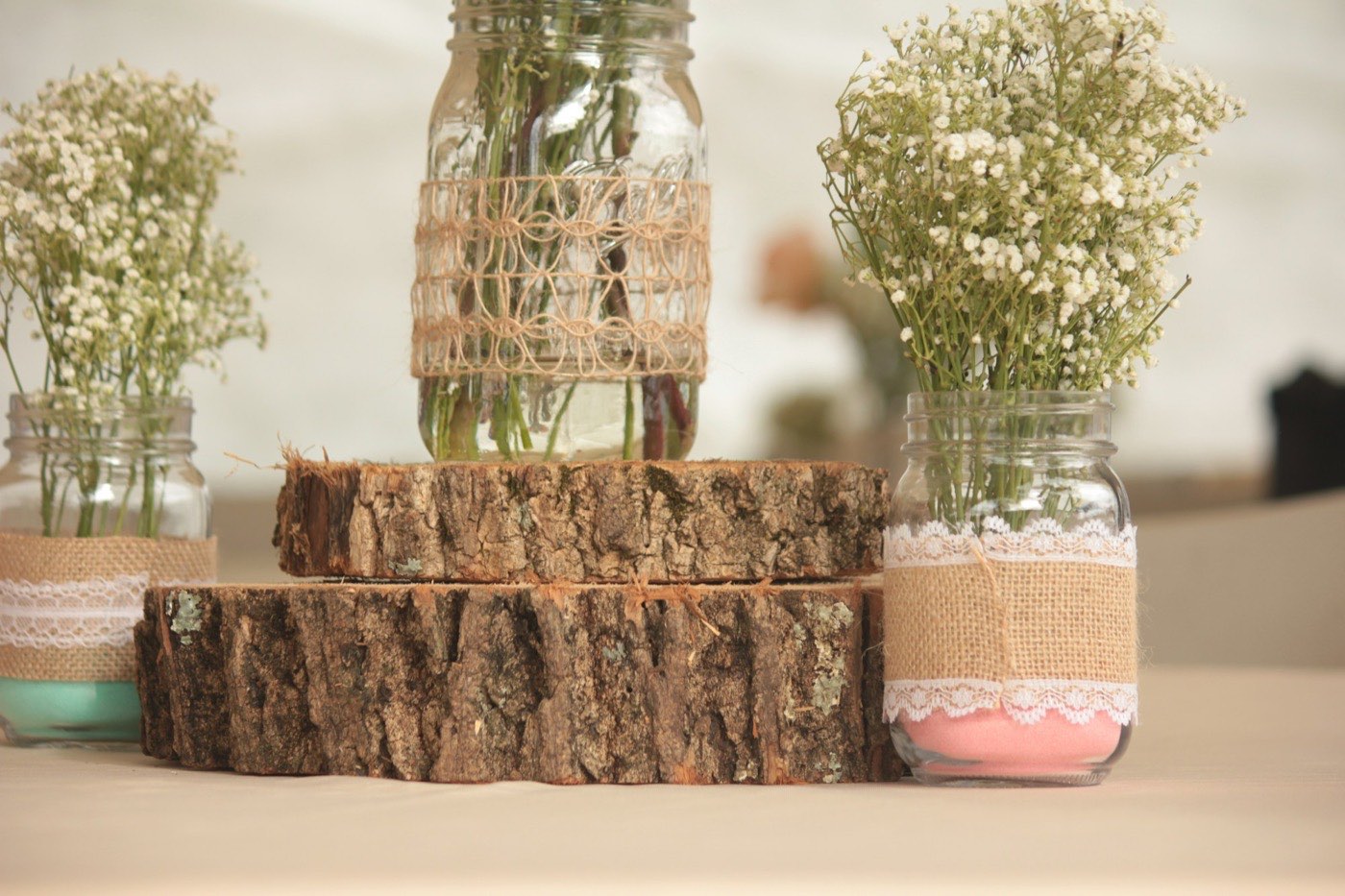
- Fill the tables with grocery store flowers arranged in mason jar centerpieces. More table ideas are in our cheap centerpiece roundup.
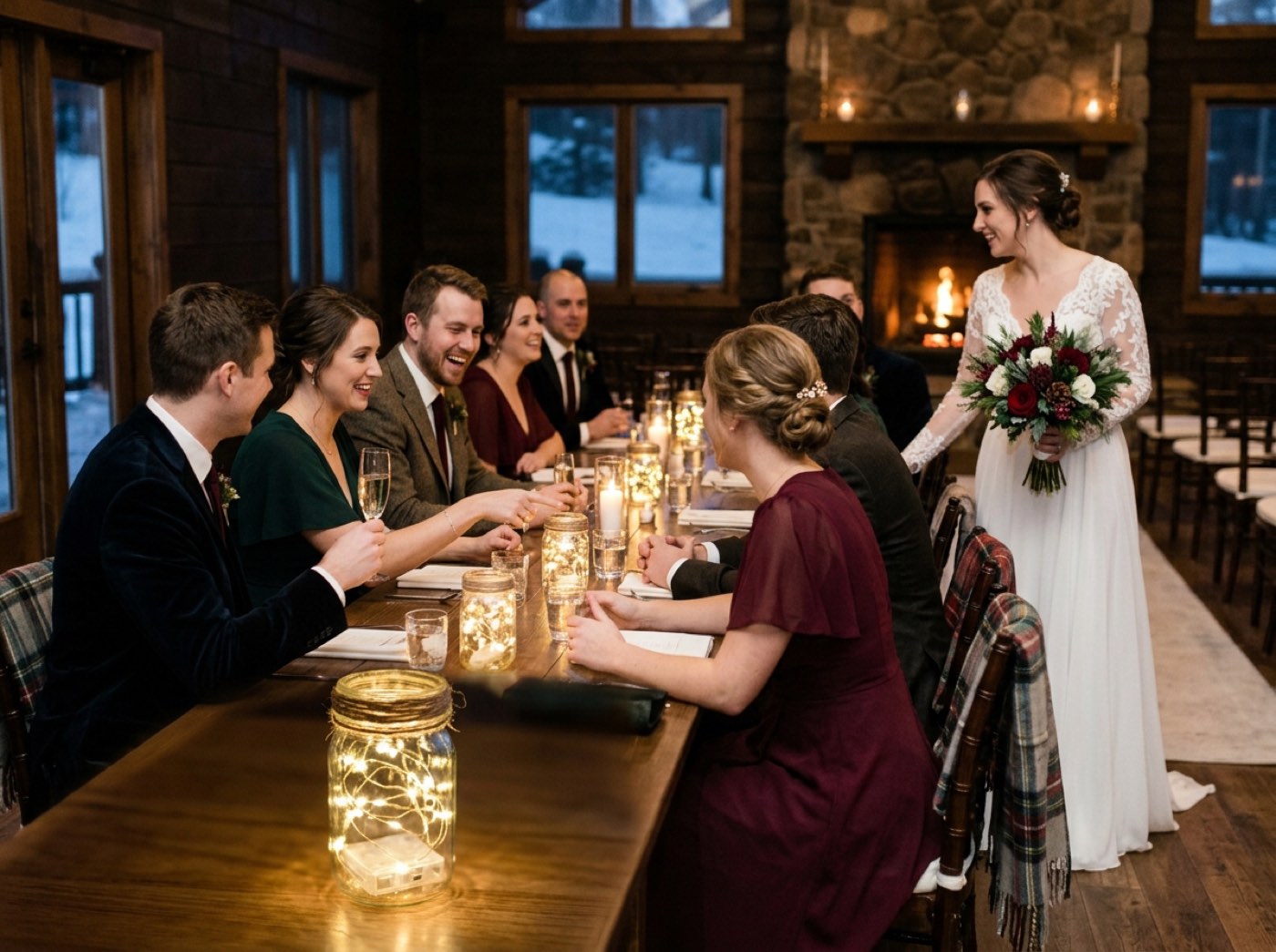
- Light the evening with fairy light jars along the tables and the aisle. Our guide to wedding lighting on a budget has more cheap ideas.
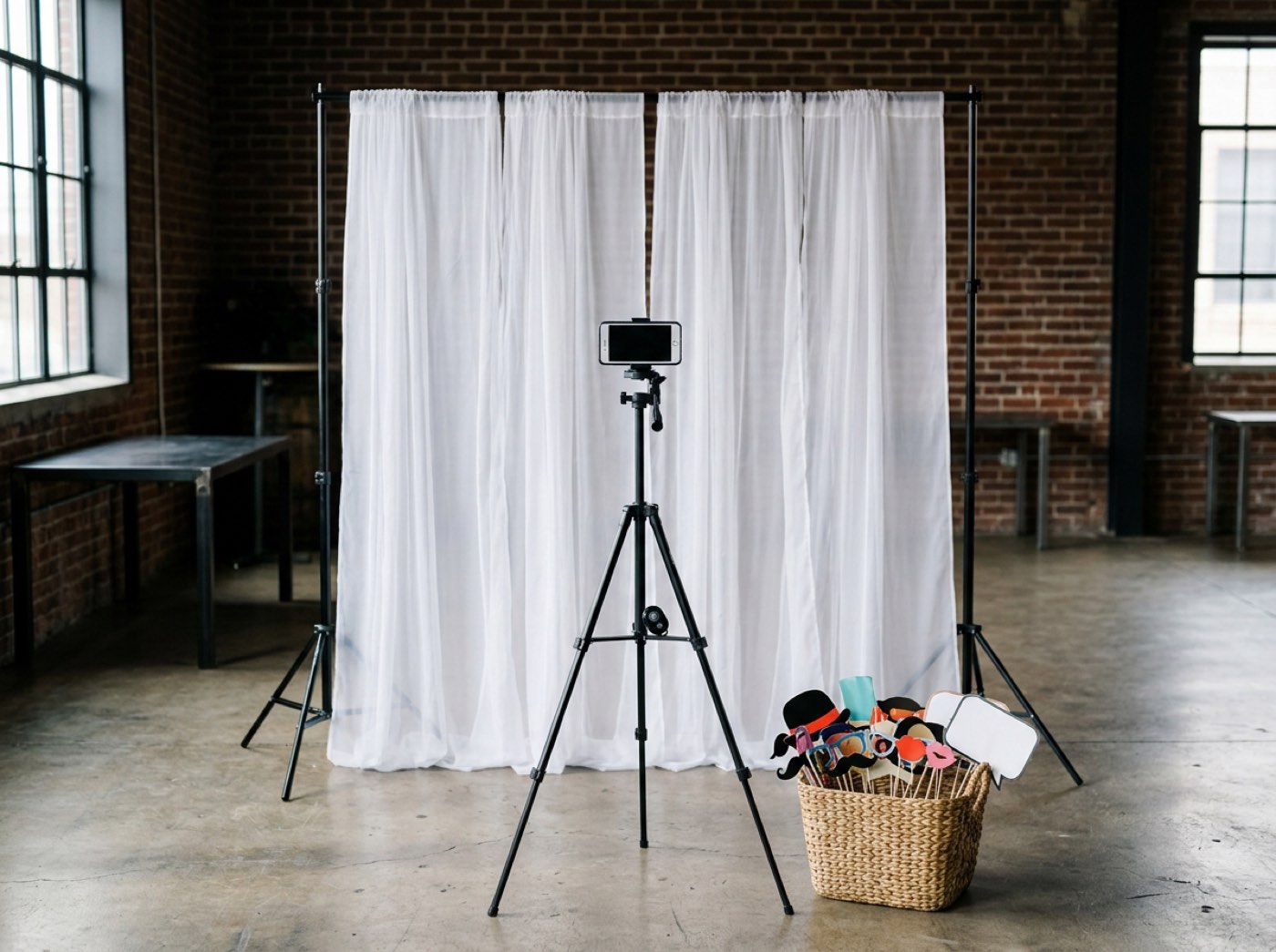
- Build a photo booth backdrop, so you go home with photos of every guest.
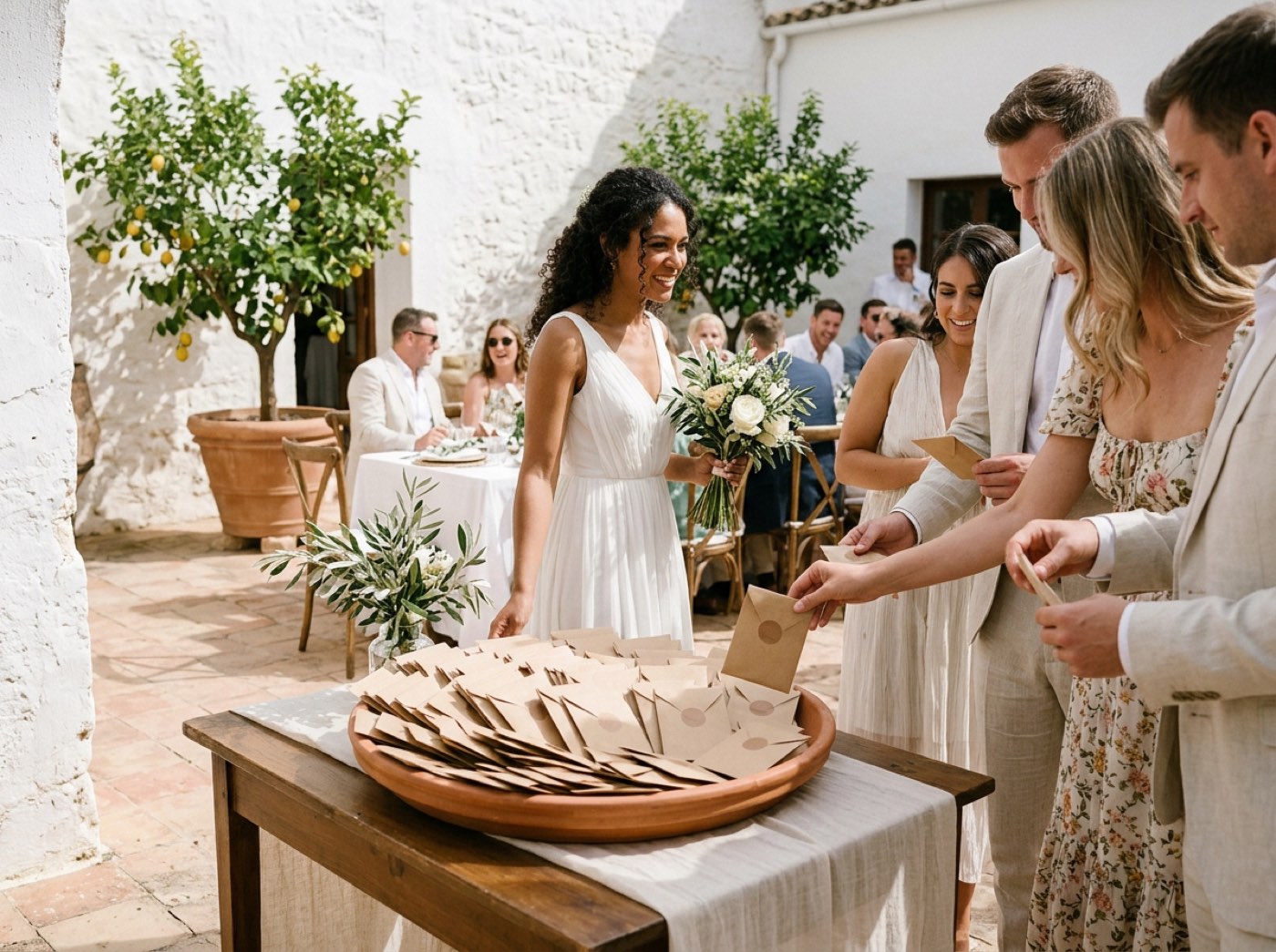
- Send people home with seed packet favors that grow into something.
The short version
For the lowest price, pick titanium (lightest) or tungsten (most scratch-resistant) at $20 to $60, and accept that you replace rather than resize. For a ring you can wear for decades and adjust, a thin 14k gold band at around $200 is the sweet spot. Silver is lovely as a starter ring, and lab-grown diamonds give you sparkle for a fraction of the old price. Whatever you choose, it will be the ring you said your vows with, and that is what you will remember.
Guides in this article
Unlock our complete DIY library
Free
- Cost and savings estimates for every project
- Materials lists to help you plan
- The “How much can you save?” overview
- New blog posts with inspiration and advice
A short list of the cheapest projects with the biggest savings. We email it to you.
Full access
$29
- Step-by-step instructions for every project
- Cost and quantity tables for 50, 100 or 150 guests
- Pro tips and common pitfalls to avoid
- Printable checklists to keep you on track
- Save your favorite projects
- New guides added every week
One payment, yours to keep. No subscription.
More tips & articles
- Wedding Budget Breakdown: Where the Money Really Goes and a Simple Split You Can Copy
- DIY Wedding Planning Timeline: What to Do When, Month by Month, Including Every Craft Project
- Wedding on a $5,000 Budget: A Real Split for 40 Guests and What to DIY
- Winter Wedding Ideas on a Budget: Cozy Decor, Cheaper Dates and a $502 Plan for 100 Guests