Wedding Toast Examples: Short Toasts for the Couple, a Parent and a Best Friend
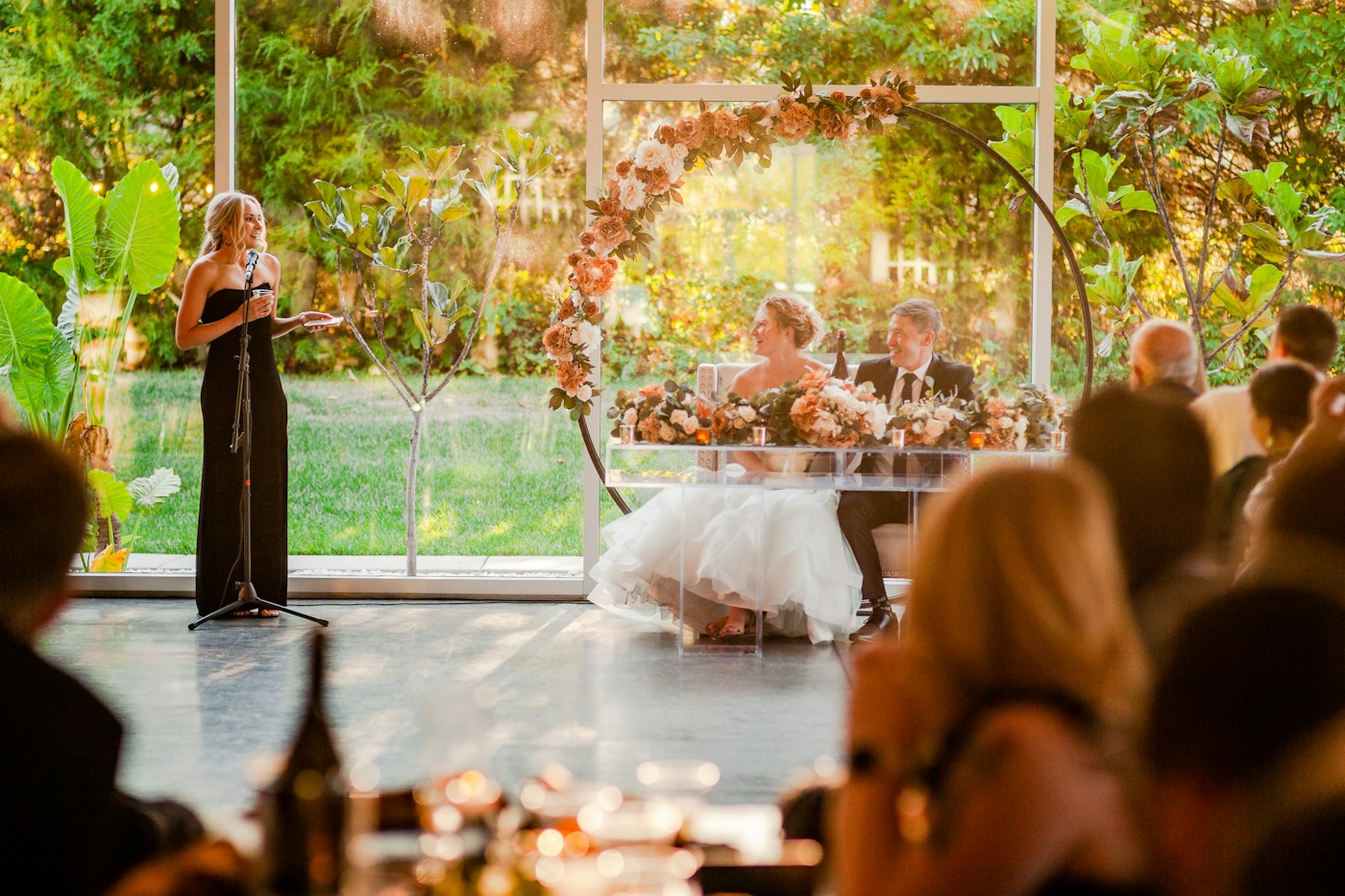
A good wedding toast is short, has one real story in the middle and ends with everyone lifting a glass. Below you will find a simple structure, how long to talk, who usually speaks when, and five short wedding toast examples written for this page that you can borrow and make your own: a welcome from the couple, a parent's toast, a best friend's toast and two very short ones for nervous speakers.
The structure that works for almost every toast
You do not need a speechwriter. Almost every toast that lands follows the same five steps:
- Who you are. One sentence. Half the room may not know you.
- Thank-yous. Short, and only if it is your job (hosts and the couple thank people; friends usually do not need to).
- One story. A single, specific moment that shows who the couple are. Specific beats funny.
- What you wish them. One or two sentences that turn the story into a hope for their life together.
- The raise. Tell people to stand or lift their glass, then say the line: "To Sam and Alex."
The story is the part people remember, so spend your time there. Pick something your grandmother could hear without wincing. Inside jokes, exes and anything about the bachelor or bachelorette weekend stay out.
How long a wedding toast should be
Shorter than you think. WeddingWire's advice is to stay under five minutes and aim for closer to three (WeddingWire). Bridebook puts a best man's speech at about 5 minutes and a maid of honour's at 4 to 6, and says all the speeches together usually run 20 to 30 minutes (Bridebook).
The easiest check is your phone's stopwatch: read the finished toast out loud once, at the pace you would use in a room full of people. If it runs long, cut a second story before you cut the ending.
Who speaks when
There is no law, but a common US order at the reception looks like this (WeddingWire):
| When | Who |
|---|---|
| Just after guests sit down | Best man |
| Right after | Maid of honor |
| Next | Parents (often the hosts) |
| Optional, last or first | The couple, a short thank-you |
In the UK the father of the bride traditionally goes first, then the groom, then the best man (Bridebook). Many couples now open with their own short welcome so guests know when food is coming, then hand over. Whatever you choose, put the order in your run sheet and tell each speaker who they follow. Our wedding day timeline shows where speeches fit around dinner.
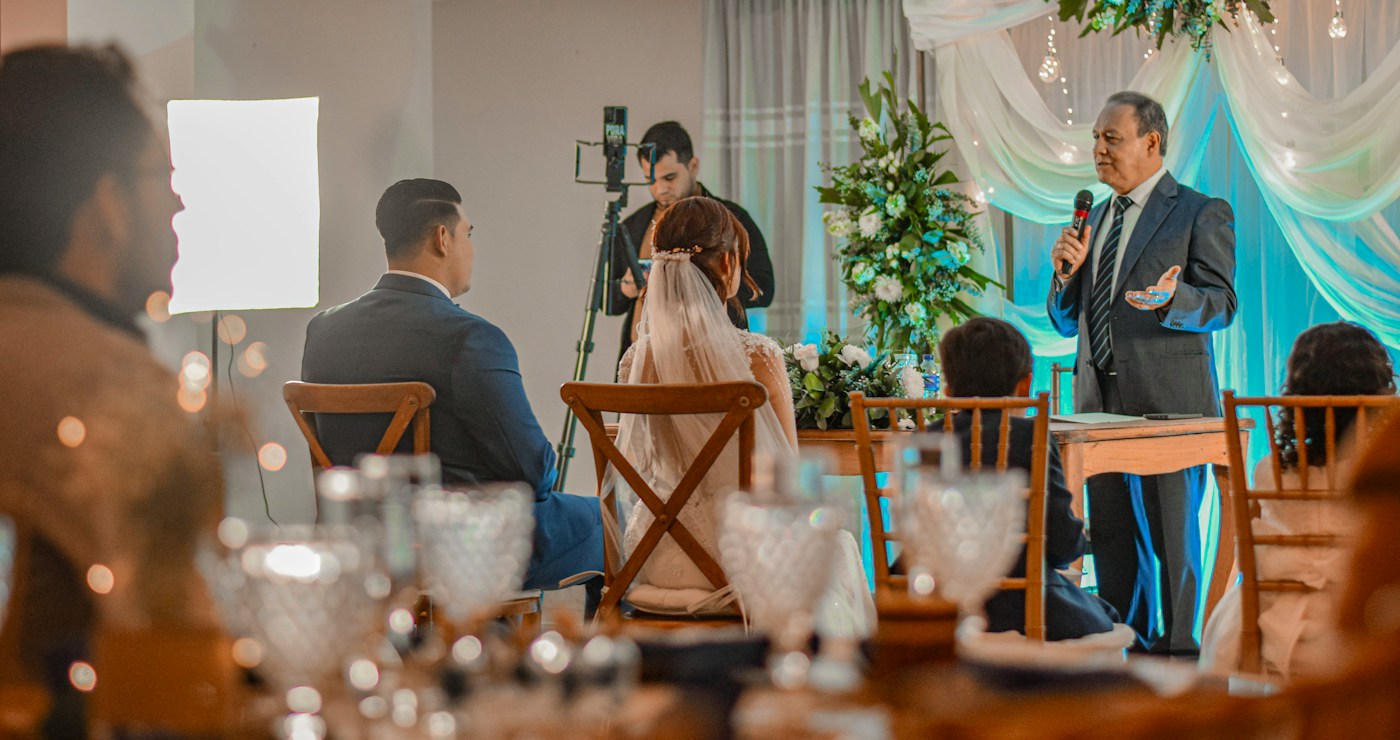
Example 1: the couple's welcome toast
This is the one to say right after everyone finds their seat. It sets the mood, covers the practical stuff and gives you the floor before anyone else.
"Hi everyone, we are Maya and Jonas, in case the dress gave it away. We just want to say thank you for being here. Some of you drove four hours, some of you got a babysitter, and Jonas's uncle Per got on a plane for the first time in eleven years, which we are choosing to take personally.
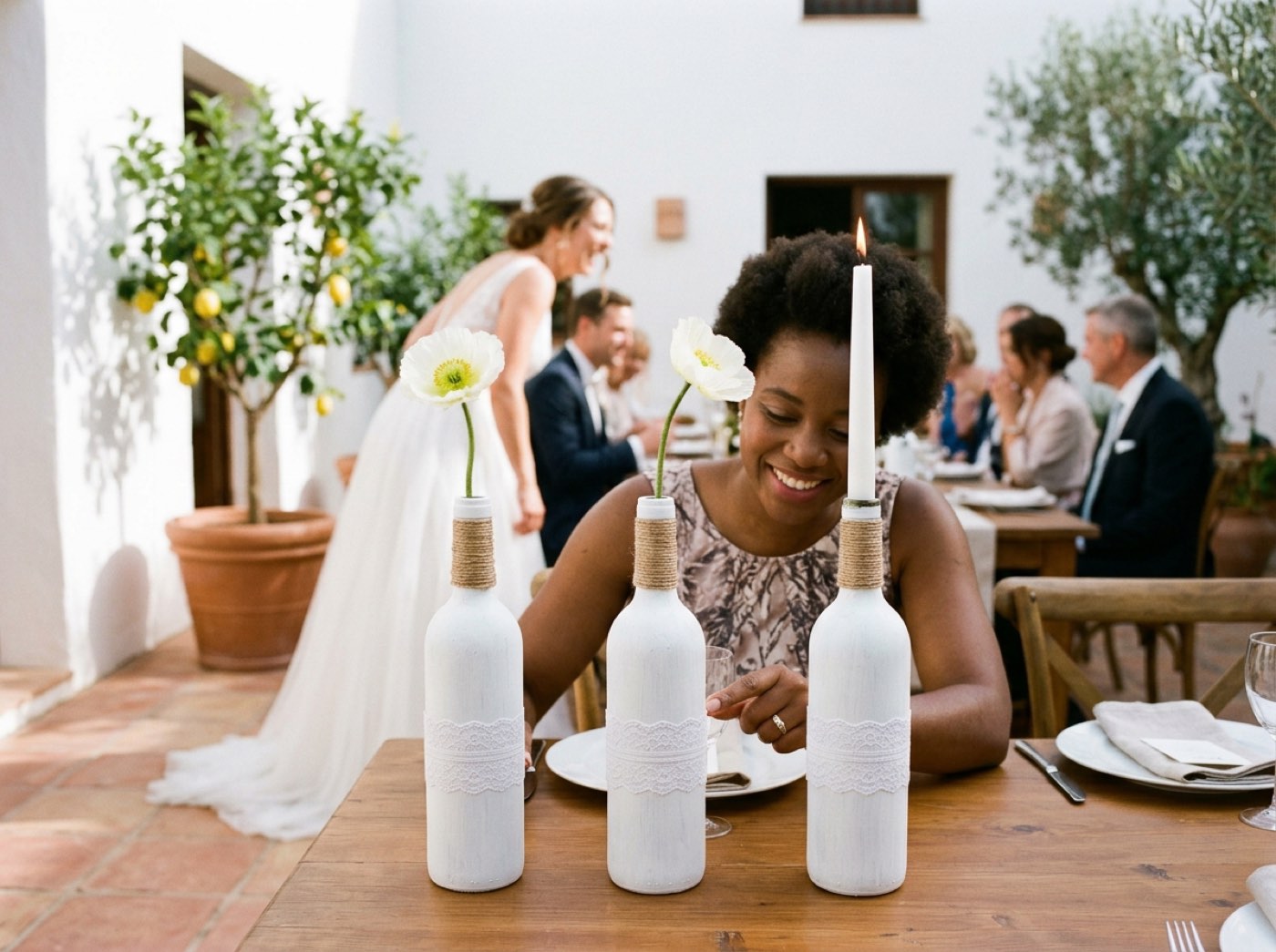
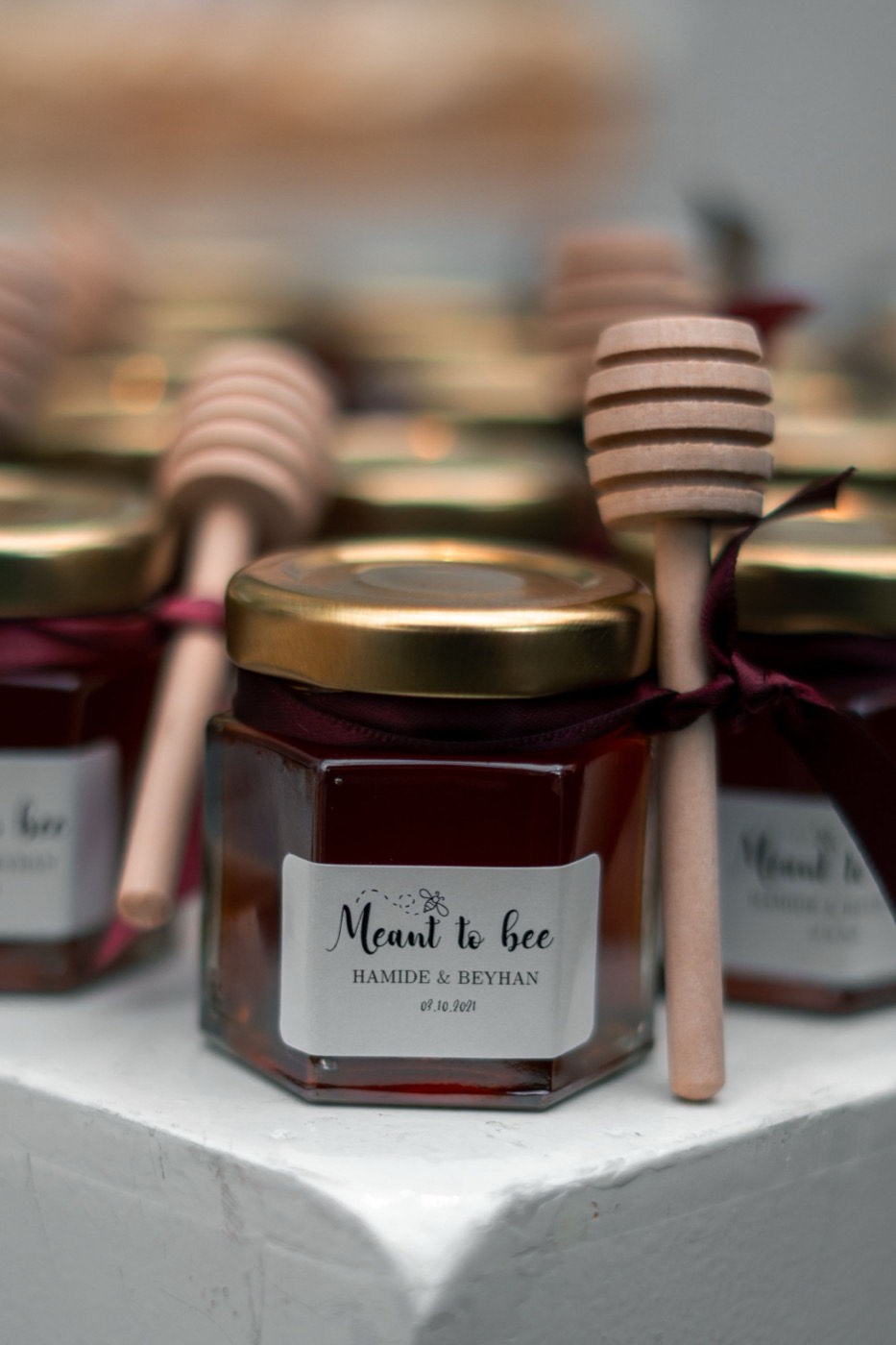
We kept this wedding small and homemade on purpose. The bottles on your table were saved by our friends over the last year, and the honey by your plate comes from Maya's dad's bees. So if something looks a bit wonky, that is the charm.
Dinner is coming in a few minutes, the bar is open, and there are speeches between courses. Please eat, talk to someone you have never met and stay late. Cheers, and thank you for coming."
Notice the shape: welcome, thank-you, one warm detail, practical info, raise. It takes under a minute. If your tables look like ours, the wine bottle centerpieces and honey jar favors guides show how to make them for very little.
Example 2: a parent's toast
Parents get to be sentimental. That is the job. Keep the childhood story to one, and welcome the new partner as warmly as your own child.
"Good evening, I am Lena, Maya's mum. When Maya was seven she built a hotel for snails in our garden, with a reception desk made from a matchbox. She checked every guest in by name. I did not know then that it was training for today, but here we are: a room full of people she has looked after, one by one.
Jonas, the first time you came for dinner you washed up without being asked and then fixed the drawer that had stuck for nine years. I told Maya that night that she should keep you. I am very glad she listened to me for once.
Please raise your glasses. To Maya and Jonas, and to a home where everyone gets checked in by name."
Example 3: a best friend's toast
The friend's toast can be funny, but the laugh should come from love, not embarrassment. Tease lightly, then turn it.
"Hi, I am Tess. I have known Alex since we were both terrible at volleyball in ninth grade. Alex was the one who kept a spreadsheet of our losses, color-coded, with a column for lessons learned. We never improved. The spreadsheet did.
So when Alex told me about a man named Sam who once rebooked a whole trip because the hotel looked sad in the photos, I knew. Two people who care that much about getting things right were always going to find each other.
Sam, thank you for making my friend laugh harder than I have heard in twenty years. Alex, thank you for letting me be part of this. Everyone, glasses up: to Alex and Sam, and to a very long column of lessons learned together."
Two very short toasts for nervous speakers
Not everyone wants three minutes. These take about twenty seconds, which is plenty for a sibling, grandparent or the person who just wants to say something.
"I have watched you two make each other better at small things and big ones. I hope you never stop. To Priya and Dan."
"My grandmother said a good marriage is two people who keep choosing the same team. You picked well. To the team."
Small practical tips that make a big difference
- Hold a card, not a phone. Write your toast in large print on one index card or a folded sheet. Phones lock and light up your face.
- Use the mic. Hold it a hand's width from your chin and keep it there, even when you look around the room.
- Have a drink in hand, but finish talking first. Raise the glass on the last line, not halfway through.
- Know who goes after you. End by handing over: "And now, Maya's sister Ida."
- Have the DJ or a host announce you. Tables tap glasses for each other's attention; let one person ring a glass instead.
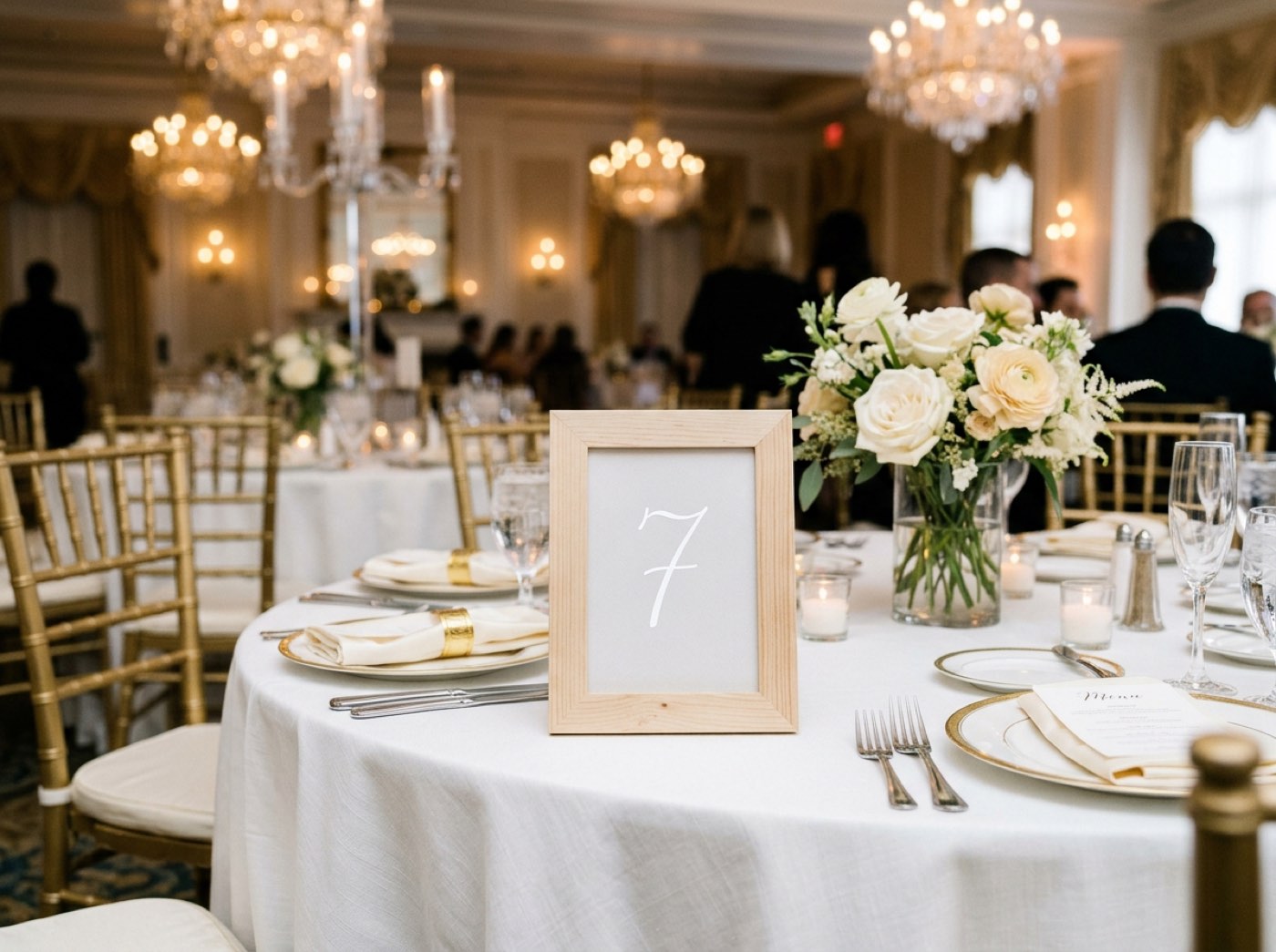
- Make it easy to see the speaker. If your seating plan uses table numbers, put the speakers' tables near the microphone so they are not walking across the room.
If you are the couple: keep the speeches on budget too
Speeches cost nothing, which makes them one of the best value parts of the day. A few things keep them good:
- Ask speakers two weeks ahead and give them the time limit in writing.
- Limit it to three or four speakers. More than that and people stop eating hot food.
- Put the speeches between courses, not before the first one. Hungry guests listen badly.
- If you want games after dinner instead of more speeches, our list of wedding reception games has a few that fill the same slot.
Write it down, read it out loud twice, cut what drags, and finish with the glass in the air. That is the whole secret.
Guides in this article
Unlock our complete DIY library
Free
- Cost and savings estimates for every project
- Materials lists to help you plan
- The “How much can you save?” overview
- New blog posts with inspiration and advice
A short list of the cheapest projects with the biggest savings. We email it to you.
Full access
$29
- Step-by-step instructions for every project
- Cost and quantity tables for 50, 100 or 150 guests
- Pro tips and common pitfalls to avoid
- Printable checklists to keep you on track
- Save your favorite projects
- New guides added every week
One payment, yours to keep. No subscription.
More tips & articles
- How Many Centerpieces Do I Need for a Wedding? A Simple Count, Table by Table
- Fall Wedding Ideas on a Budget: What Makes the Look, Where to Save and a $555 Decor Plan for 100 Guests
- How to Save Money on a Wedding: 18 Ways That Actually Add Up
- Rustic Wedding Ideas on a Budget: What Makes the Look, What It Costs and a $590 Decor Plan for 100 Guests