How Much to Tip Wedding Vendors: A Simple Cheat Sheet With Real Amounts
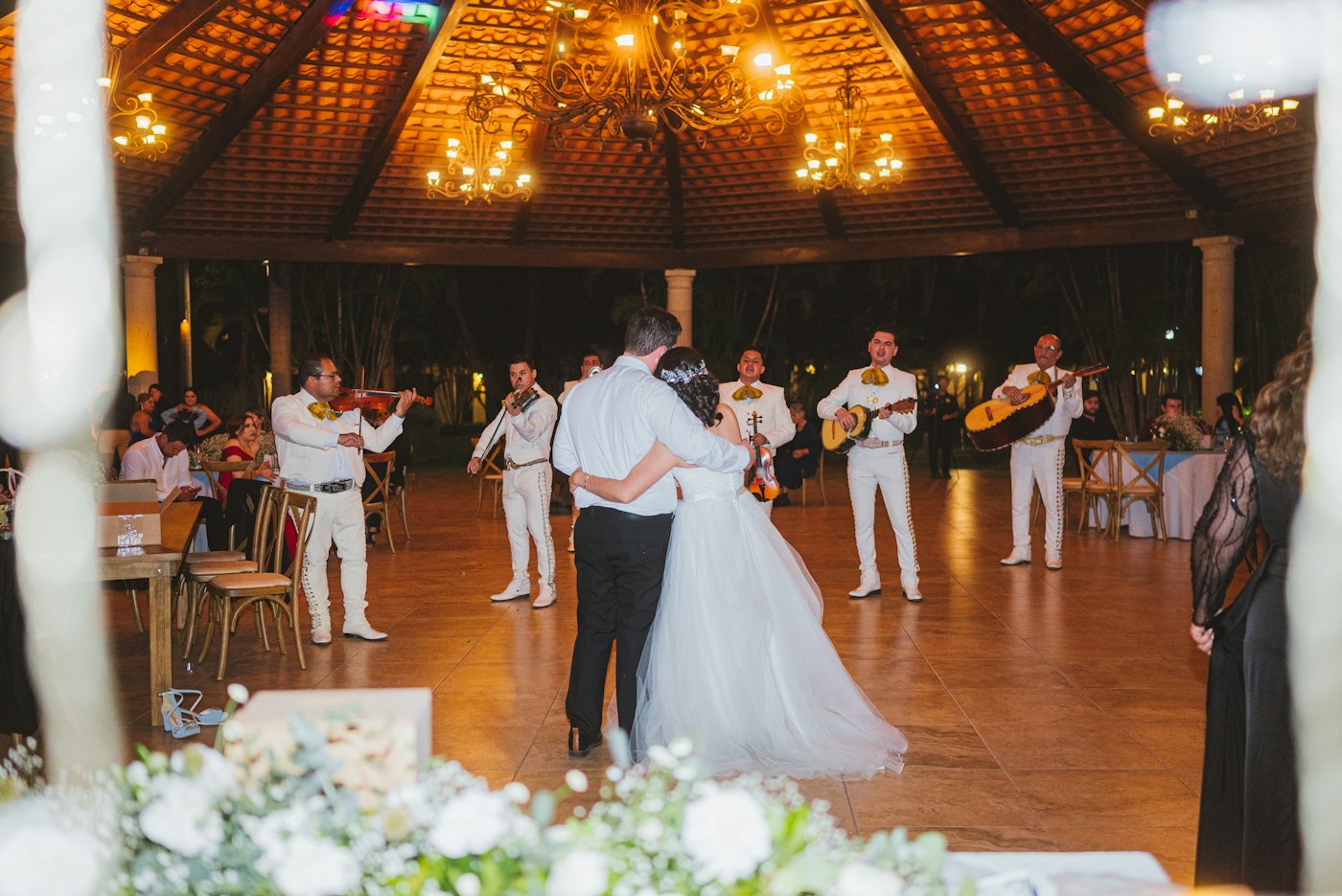
In the US, plan to tip the people who work for someone else (servers, bartenders, drivers, hair and makeup artists, delivery crews) and treat tips for business owners as a kind extra, not a debt. A realistic rule of thumb is 15 to 20 percent for catering, hair, makeup and transport if gratuity isn't already in the contract, $20 to $50 per server or bartender, and around $200 for a DJ or photographer you want to thank (Zola).
If you are already stretched, please don't panic. Tipping is a thank-you, not a fee, and a smaller tip handed over warmly with a note means far more than a bigger one you resent. Here is who usually gets what, and how to keep the total under control.
The quick cheat sheet
These ranges come from two of the big US wedding sites. Where they disagree, both are shown so you can pick what fits your budget.
| Vendor | Zola suggests | WeddingWire suggests |
|---|---|---|
| Catering (if no gratuity in the bill) | 16 to 20% of food and drink | 15 to 20% of the food bill |
| Servers and bartenders | $20 to $50 each | about $20 or more per server |
| Hair and makeup | 16 to 20% of the service | 15 to 20% of the fee |
| DJ | about $200 flat, or 1 to 5% | 10 to 15% of the bill |
| Band or ceremony musicians | $25 to $50 per musician | $25 to $50 each |
| Photographer or videographer | about $200, or 1 to 5% | $100 to $200 if employed, nothing if they own the business |
| Officiant | $50 to $100 (donation if religious) | $50 to $100 civil, $100 to $300 donation if religious |
| Drivers | 15 to 20% of the cost | 15 to 20% if not included |
| Delivery and setup crews | $10 to $20 per person | $5 to $20 per person |
| Florist, baker | $50 to $100 for the main florist | not expected |
Sources: Zola and WeddingWire.
For a sense of what couples really do, Zola's 2026 survey of 720 couples found that 73 percent tipped their caterer, 71 percent tipped hair and makeup and 70 percent tipped their photographer. Only 48 percent tipped their wedding planner (Zola). So if you skip a few lines, you are in good company.
First, read your contracts
Before you work out a single number, pull out every contract and look for the words "gratuity", "service charge" or "staff tips". They are not the same thing. A service charge often goes to the business to cover its costs, while a gratuity goes to the staff who served you. If the wording is vague, send a short email and ask: "Does this charge go to the staff, or should we tip separately?" Caterers, transport companies and all-inclusive venues often build gratuity in already (Zola).
If it's already in the bill, you don't owe more. A small extra for someone who went out of their way is lovely, but optional.
Who you can skip (or thank another way)
Both guides agree on the same idea: owners set their own prices, so a tip is not expected. WeddingWire says plainly that a photographer who owns the business doesn't need one (WeddingWire), and a photographer quoted by Zola said she doesn't expect tips at all.
That covers a lot of small-wedding vendors: the solo photographer, the one-person bakery, the florist who arranges everything herself. For them, a free thank-you is often worth more than $50:
- A review on Google, The Knot or WeddingWire, written the week after the wedding while you still remember the details.
- A handwritten note with one specific moment you loved.
- Tagging them when you post your photos.
If you'd like to give something physical, a spare jar from your honey jar favors or one of your candle favors tucked in with the note feels personal and costs you almost nothing extra, since you are making a batch anyway.
Catering staff: where most of the tip money goes

The people serving dinner usually earn the least and work the longest day, from setup in the afternoon to stacking chairs at midnight. If gratuity isn't in your catering contract, this is the line to protect.
Zola breaks it down by role: $100 to $200 for the head caterer or captain, $50 to $100 for the chef, $20 to $50 for each server and bartender, and $10 to $30 for each busser or kitchen helper (Zola). Give the envelope for the whole team to the captain before service starts, so it is shared fairly.
Here is a sample at the low end of those ranges, for a 100-guest dinner with 6 servers, 2 bartenders and a captain. This is our own math, not a quote:
| Who | Low-end tip | Total |
|---|---|---|
| Captain | $100 | $100 |
| 6 servers | $20 each | $120 |
| 2 bartenders | $20 each | $40 |
| Catering team | $260 |
Hair, makeup and music

Hair and makeup artists are tipped much like a salon visit, 15 to 20 percent, and Zola suggests budgeting $150 to $200 in total (Zola). Hand it over when your look is finished, and remember the trial too. If bridesmaids pay for their own hair, they tip for their own.
For music, think per person: $25 to $50 for each band member or ceremony musician is the range both sites give. A DJ who is also your MC and kept the dance floor full is a natural one to thank at the end of the night.
A realistic total for a budget wedding
Add it up and tips can quietly reach several hundred dollars. Using the low ends from Zola for a 100-guest wedding where nothing is included in the contracts: the $260 catering team above, $150 for hair and makeup, $200 for the DJ, $50 for a civil officiant and $10 each for three delivery drivers. That comes to $690. If your photographer and baker own their businesses, you can leave them out of the math.
Put that number in your wedding budget breakdown now, as its own line, so it doesn't come out of your buffer in the last week. If it feels too big, trim it from somewhere you care less about, like favors or extra decor, rather than from the servers' envelope.
How to hand out tips without stress
- Two weeks before, get cash from your bank in $20s and $50s, plus a few $10s for surprise helpers (Zola).
- Make one envelope per vendor with the name and the role on the front. Leftover envelopes and wax from your wax seal invitations make them look finished, and a seal also shows if anything was opened.
- Pick one calm person to hand them out: a coordinator, a parent or a friend who isn't giving a speech. Give them a list with names, amounts and when each one is due.
- Match the timing to the job: catering before service, hair and makeup when you are ready, musicians and DJ at the end of their set, drivers at the last drop-off. Add the handover times to your wedding day timeline so nobody has to remember.
- Ask about apps. Some vendors prefer Venmo or Zelle, so ask a week before instead of guessing.
Tipping well doesn't mean tipping everyone. Look after the hourly staff first, thank the owners with words and reviews, and write the total into your budget early. That is all most guests and vendors will ever notice: that you were kind to the people who worked hard on your day.
Guides in this article
Unlock our complete DIY library
Free
- Cost and savings estimates for every project
- Materials lists to help you plan
- The “How much can you save?” overview
- New blog posts with inspiration and advice
A short list of the cheapest projects with the biggest savings. We email it to you.
Full access
$29
- Step-by-step instructions for every project
- Cost and quantity tables for 50, 100 or 150 guests
- Pro tips and common pitfalls to avoid
- Printable checklists to keep you on track
- Save your favorite projects
- New guides added every week
One payment, yours to keep. No subscription.
More tips & articles
- How to Cut Down Your Wedding Guest List (Without Starting a Family Feud)
- Cheap Wedding Invitations: Online Printers vs DIY vs Digital, With Real 2026 Prices
- Bachelorette Party Ideas on a Budget: Real Costs and a Fair Way to Split Them
- Wedding Dessert Table Ideas on a Budget: A $165 Sweet Table for 100 Guests