How to Cut Down Your Wedding Guest List (Without Starting a Family Feud)
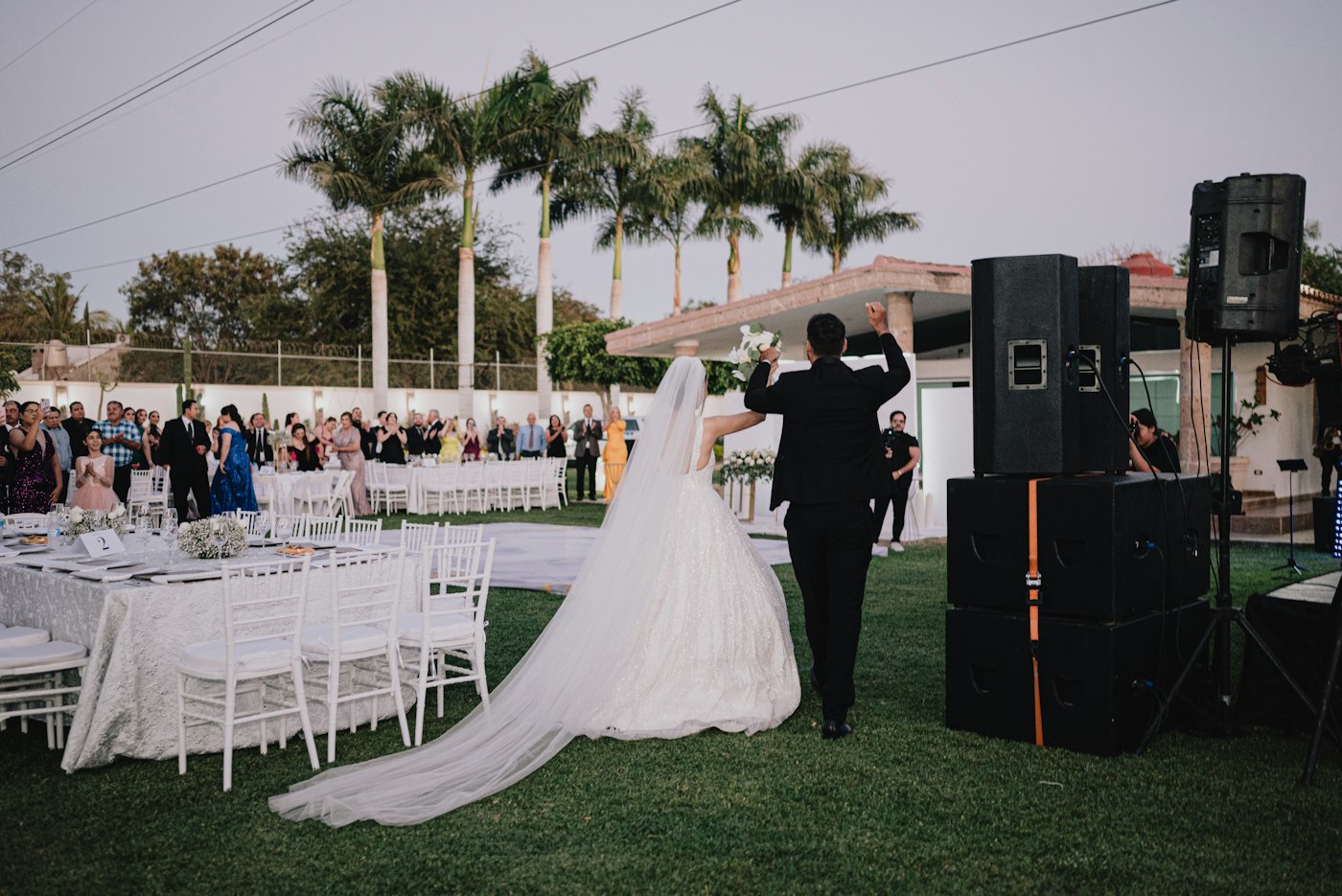
To cut down your wedding guest list, decide on a final number before you argue about a single name, then cut whole groups with simple rules (no plus-ones for single guests, adults only, no coworkers) instead of crossing people off one by one. Rules feel fair to everyone, and they save you from defending every name to your mother.
It is also the biggest money decision you will make. Almost every other cost in your budget grows with each person who comes, so trimming the list does more than any centerpiece trick ever could.
Why every guest costs more than their dinner
Zola puts the average 2026 wedding at $36,000 with 145 guests (Zola). Divide one by the other and you get roughly $248 per person. That is not because dinner costs $248. It is because the head count drives the size of the venue, the number of tables, chairs, linens, centerpieces, invitations, favors, drinks and even how many hours your photographer needs.
The food alone adds up fast. The Knot's latest study puts catering at about $80 a plate. Weddings with fewer than 50 guests averaged $15,000, while those with more than 100 averaged $42,000 (FOX 5 New York). So twenty fewer names is around $1,600 in food before you count anything else.
If you want to see where the rest of the money goes, our wedding budget breakdown splits it category by category.
Step 1: Pick the number first
Write the number down before you open a spreadsheet of names. Start from what your venue holds comfortably and what your budget covers at about $250 a head, then pick the lower of the two.
Once the number exists, the conversation changes. You are no longer saying "we don't want Aunt Linda's neighbors." You are saying "we have 90 seats and we are at 104."
Step 2: Make one big list, then sort it into three
Put everyone on one list first, both families and all your friends. Then sort every name into one of three groups:
- Must come. The wedding would feel wrong without them. Parents, siblings, grandparents, your closest friends.
- Would love to have. People you see and like, but whose absence would not hurt.
- Feel we should. People you would invite out of duty, habit or because they invited you.
Most couples find the third group is bigger than they expected. That is where the cutting starts.
Step 3: Cut by rules, not by person
Rules save friendships because nobody is singled out. Pick a few that fit your families and apply them to everyone, including your own friends.
Plus-ones. Invite partners of married, engaged and long-term couples. Single guests come alone. If you have 30 single friends, that one rule can free up 30 seats.
Kids. "Adults only" or "immediate family kids only" are both clear and common. If you do keep kids, our piece on keeping kids happy at a wedding has a cheap plan for them.
Coworkers. Invite none, or only the ones you see outside work. A rule like "if we have not had dinner with them in the last year, they are not on the list" works for distant friends too.
Reciprocity. You do not owe anyone an invitation because you went to their wedding five years ago. Most people understand that budgets and life change.
Parents' friends. This is the big one when parents are paying. More on that below.
Step 4: Give each family a fixed share
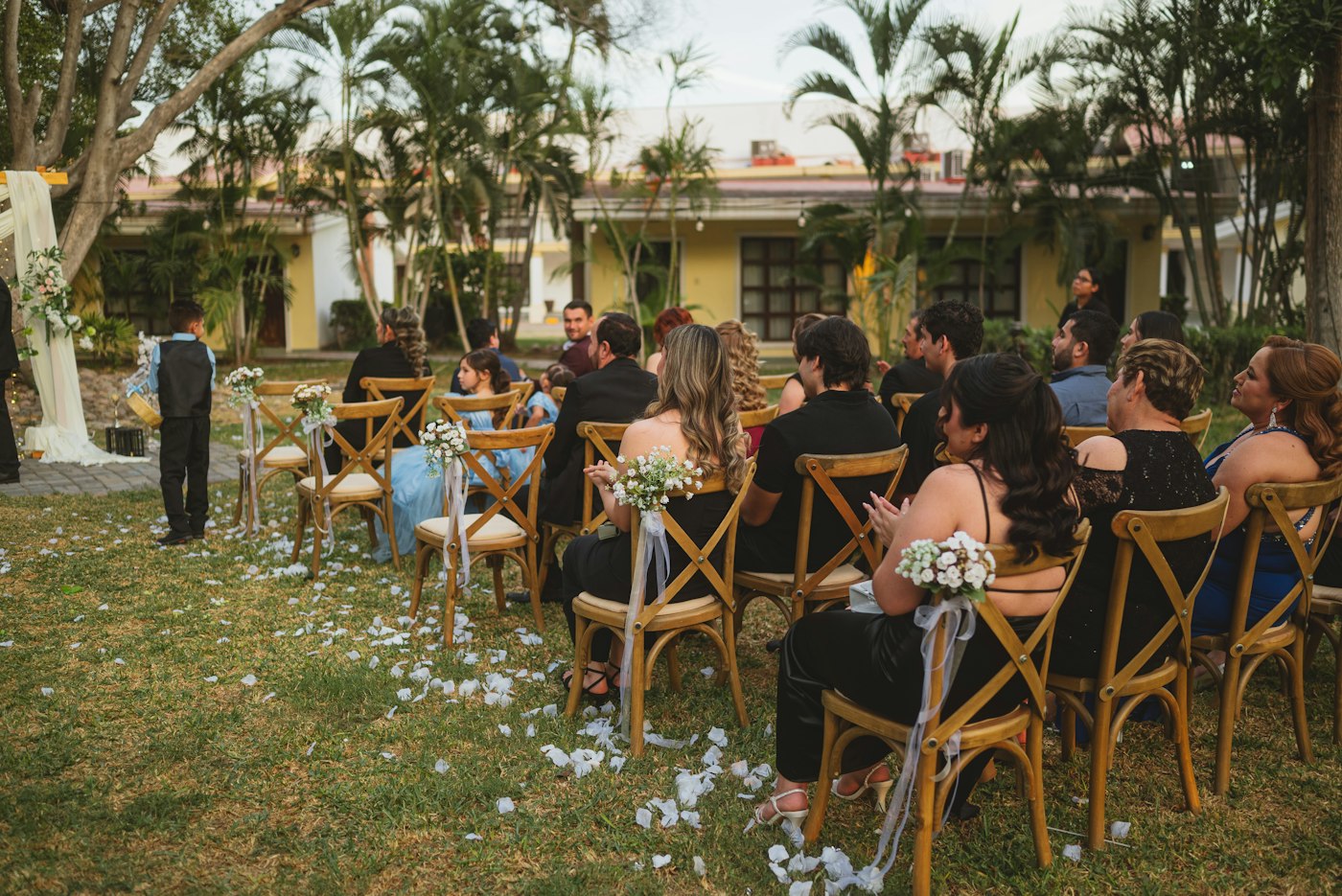
The fairest way to handle two families is to split the seats. A common version is a third each for the couple, one family and the other family. If one side is much bigger, adjust it, but agree on the numbers before anyone writes a single name.
Then let each side fill its own share. Your mom decides which of her friends make it, and she makes those calls, not you. If a parent is paying for a big part of the wedding, it is fair to give them a few more seats. It is not fair for them to add people with no limit.
Step 5: Use a B-list carefully
A B-list means sending a second wave of invitations as early declines come in. It works, but only if nobody can tell. Send your first invitations a little earlier than usual, set an early RSVP date, and post the second wave right after it, while there is still plenty of time before the wedding. An invitation that lands a few weeks before the day tells people they were second choice. Use the same invitations for both waves, so they look the same.
How to tell people they are not invited
Most people will never ask. For those who do, keep it short, warm and true:
- "We're keeping it really small, mostly family. We would love to celebrate with you after."
- "Our venue only fits 80, so we had to make some hard calls."
Do not over-explain, do not apologize three times and do not promise an invitation that might not come. If you want to include more people without paying for dinner, a relaxed backyard party a few weeks later costs far less per head than a reception seat.

What a smaller list lets you do
The best part of a shorter list is what it frees up. With fewer guests, the per-person details you would never do for 150 suddenly become easy.
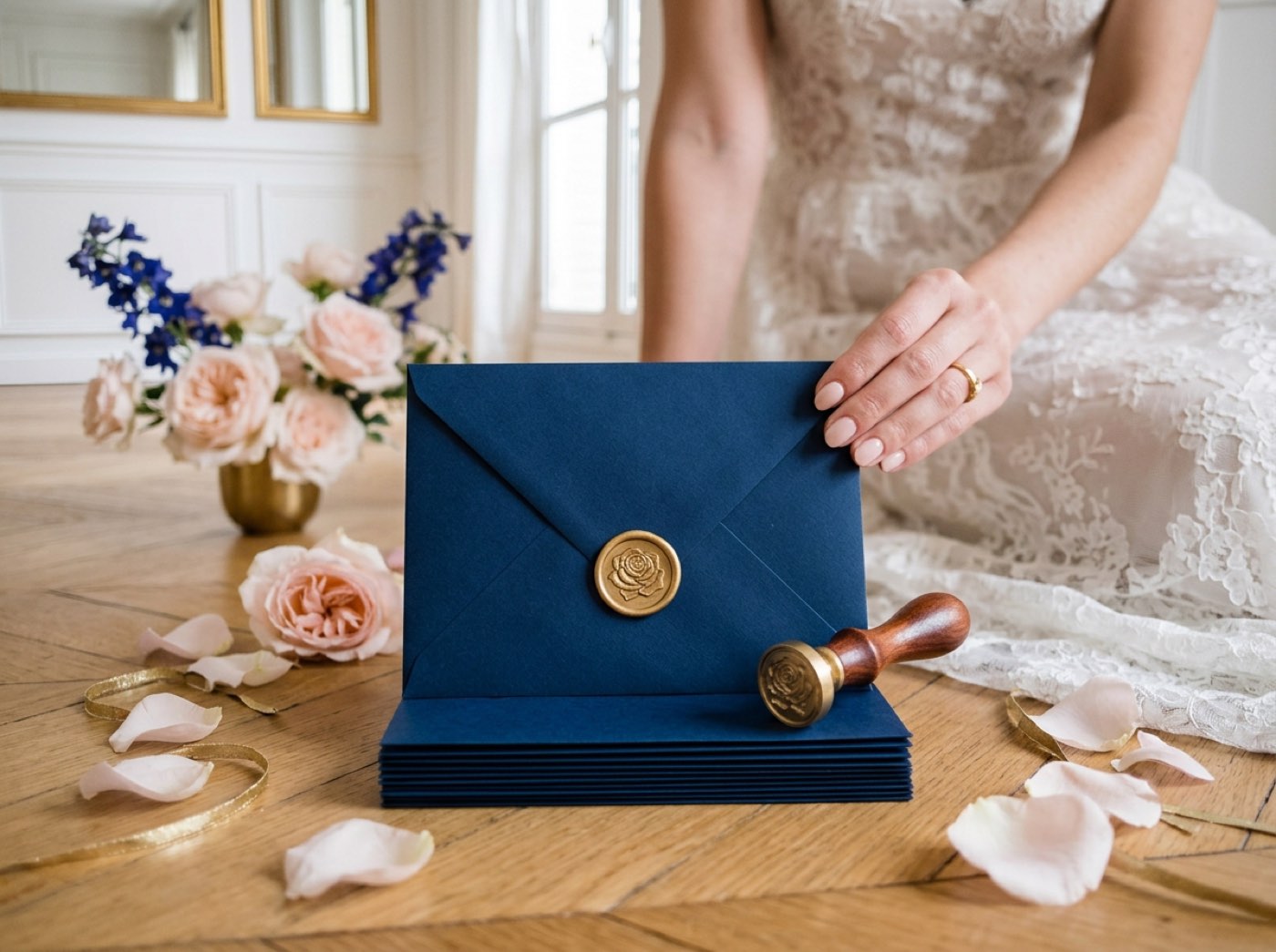
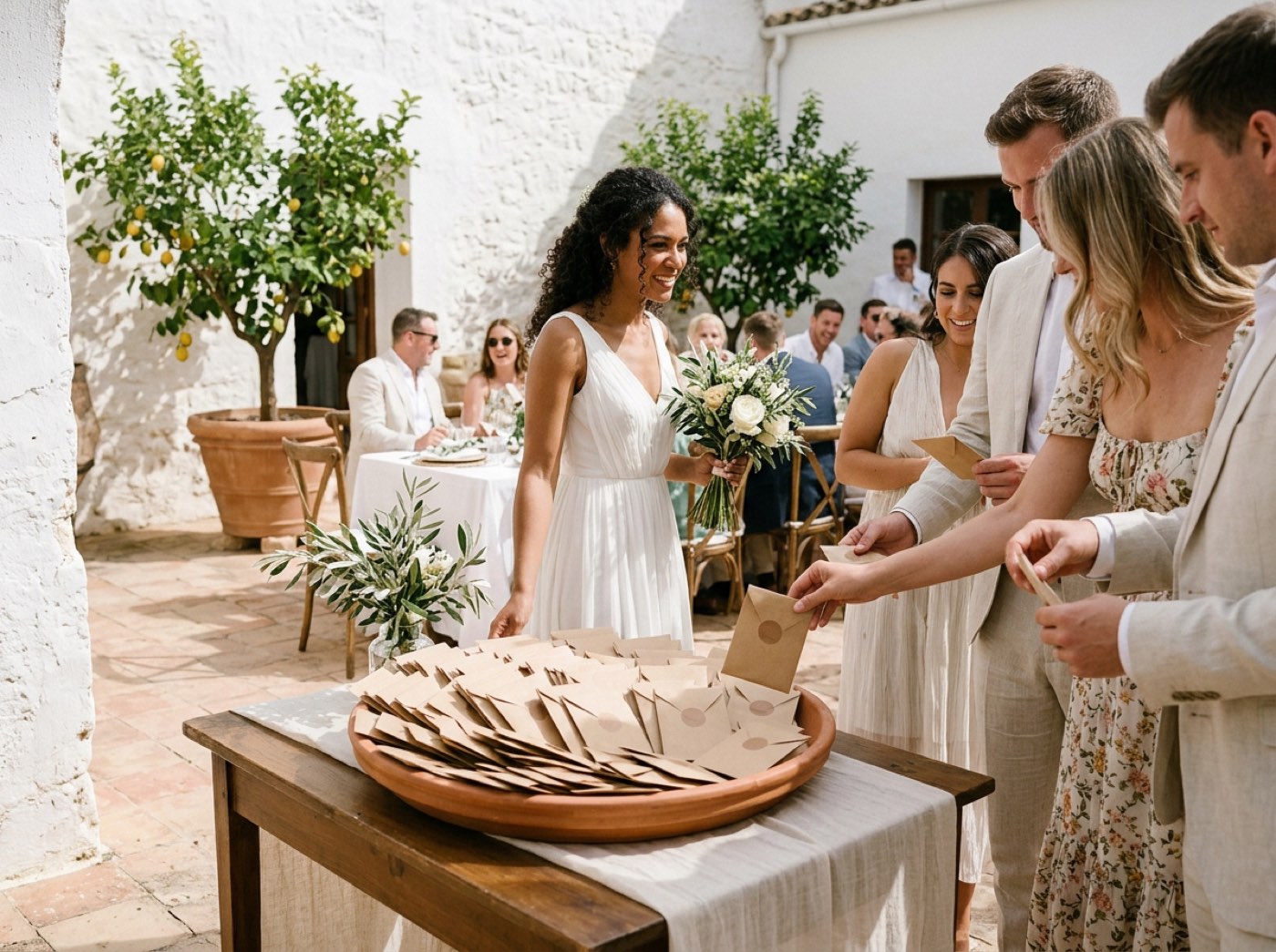
You can make your own wax seal invitations instead of ordering a basic printed set, because sealing 60 envelopes is an evening, not a week. Seating gets simpler too. A handwritten name on a leaf place card for every guest is a nice touch at 60 people and a chore at 160, and a mirror seating chart looks better when it is not crammed with twenty tables. Even favors become a real gift: seed packet favors for 60 cost a fraction of what they cost for 150.
If you are leaning toward going very small, read our small wedding ideas for what 20 to 50 guests really costs.
A quick checklist
- Choose your final number before you write names.
- Sort everyone into must come, would love, and feel we should.
- Set two or three rules and apply them to both sides.
- Give each family a fixed number of seats.
- Send a B-list early, right after your RSVP date, if you use one at all.
- Prepare one kind sentence for anyone who asks.
The bottom line
Cutting the guest list feels personal, but it does not have to be. A clear number, a few fair rules and a fixed share for each family do most of the hard work for you. The people who matter most will still be there, and you will have more time to actually talk to each of them on the day.
Guides in this article

Unlock our complete DIY library
Free
- Cost and savings estimates for every project
- Materials lists to help you plan
- The “How much can you save?” overview
- New blog posts with inspiration and advice
A short list of the cheapest projects with the biggest savings. We email it to you.
Full access
$29
- Step-by-step instructions for every project
- Cost and quantity tables for 50, 100 or 150 guests
- Pro tips and common pitfalls to avoid
- Printable checklists to keep you on track
- Save your favorite projects
- New guides added every week
One payment, yours to keep. No subscription.
More tips & articles
- Garden Wedding Ideas on a Budget: Public Gardens, a Friend's Garden and a Real Rain Plan
- Honeymoon Fund Wording: Polite Ways to Ask for Money (Plus Fees and Etiquette)
- How Much to Tip Wedding Vendors: A Simple Cheat Sheet With Real Amounts
- Spring Wedding Ideas on a Budget: Cheaper Dates, In-Season Flowers and Easy DIY That Saves